AI TODAY.ORG

Hyperscalers

Official announcements and source-linked reporting from AWS, Microsoft Azure, Google Cloud, Meta and Oracle. Explore their official X feeds for the newest posts.

Feeds refreshed every 15 minutes

Published

Amazon is taking its biggest shot at Nvidia yet with new TorchNeuron dev tool (opens in a new tab)

Amazon wants to break Nvidia’s hold on PyTorch, the free toolkit used to build most AI apps, so that more developers run their apps on alternative chips like its own.

Read at TechCrunch (opens in a new tab)
Image: TechCrunch
TechCrunchStory image unavailable

More matching stories

Page 4 of 15
Image: AWS Machine Learning
AWS Machine LearningStory image unavailable
Published

Pegasus 1.5 from TwelveLabs is now available in Amazon Bedrock (opens in a new tab)

TwelveLabs Pegasus 1.5 is now available in Amazon Bedrock. The video language model turns long-form video into structured, timestamped metadata: define the moments that matter and get every matching segment back as JSON, with new video segmentation, multimodal prompting with ref…

Read at AWS Machine Learning (opens in a new tab)
Image: AWS Machine Learning
AWS Machine LearningStory image unavailable
Published

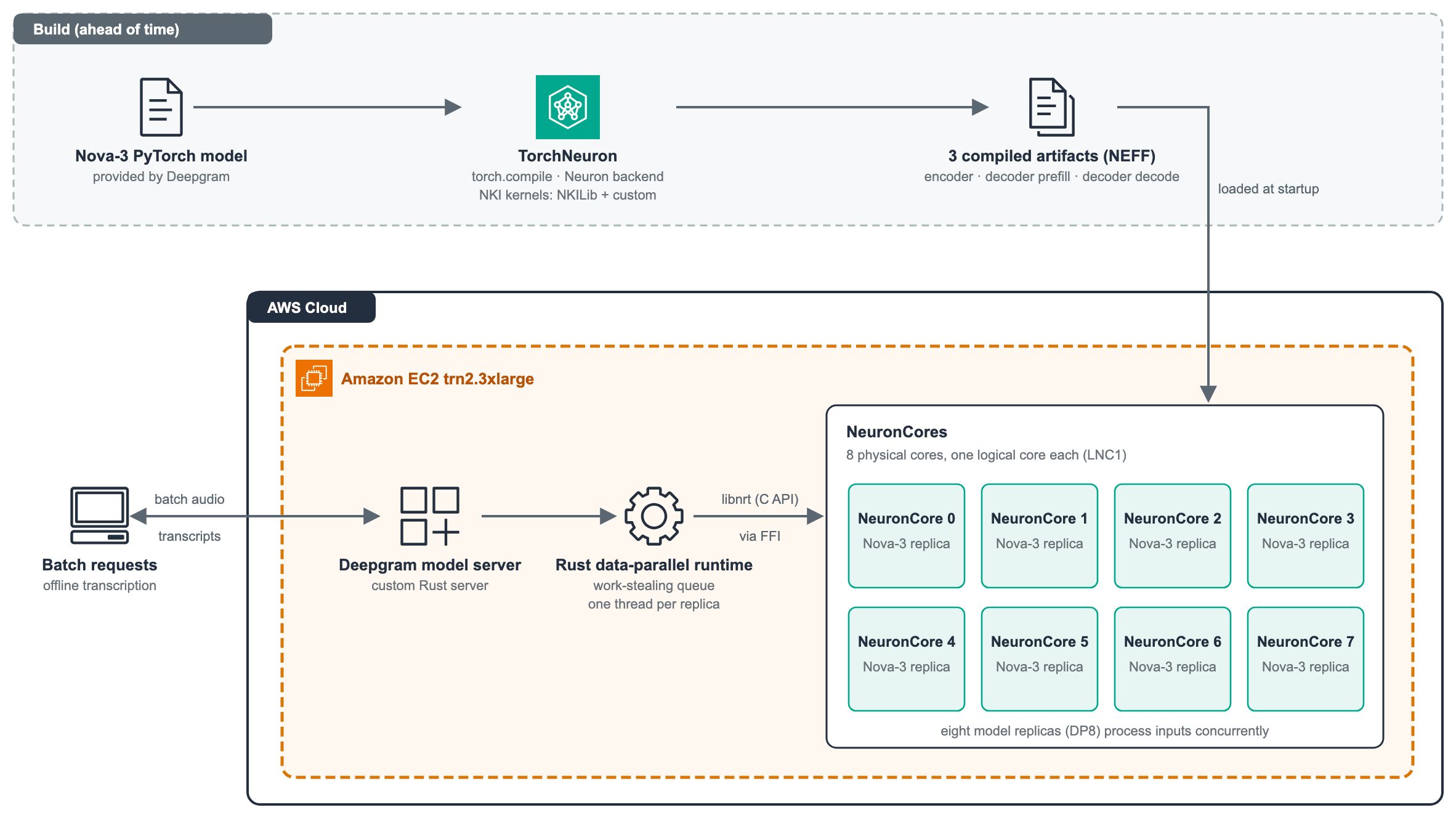
How Deepgram optimized voice AI at scale with AWS Trainium (opens in a new tab)

Deepgram worked with the AWS Forward Deployed Engineering team to port its Nova-3 speech-to-text model to AWS Trainium2 for offline batch inference. This post covers porting to the AWS Neuron stack, kernel-level tuning, a data-parallel Rust runtime, and the throughput and cost r…

Read at AWS Machine Learning (opens in a new tab)
Image: AWS Machine Learning
AWS Machine LearningStory image unavailable
Published

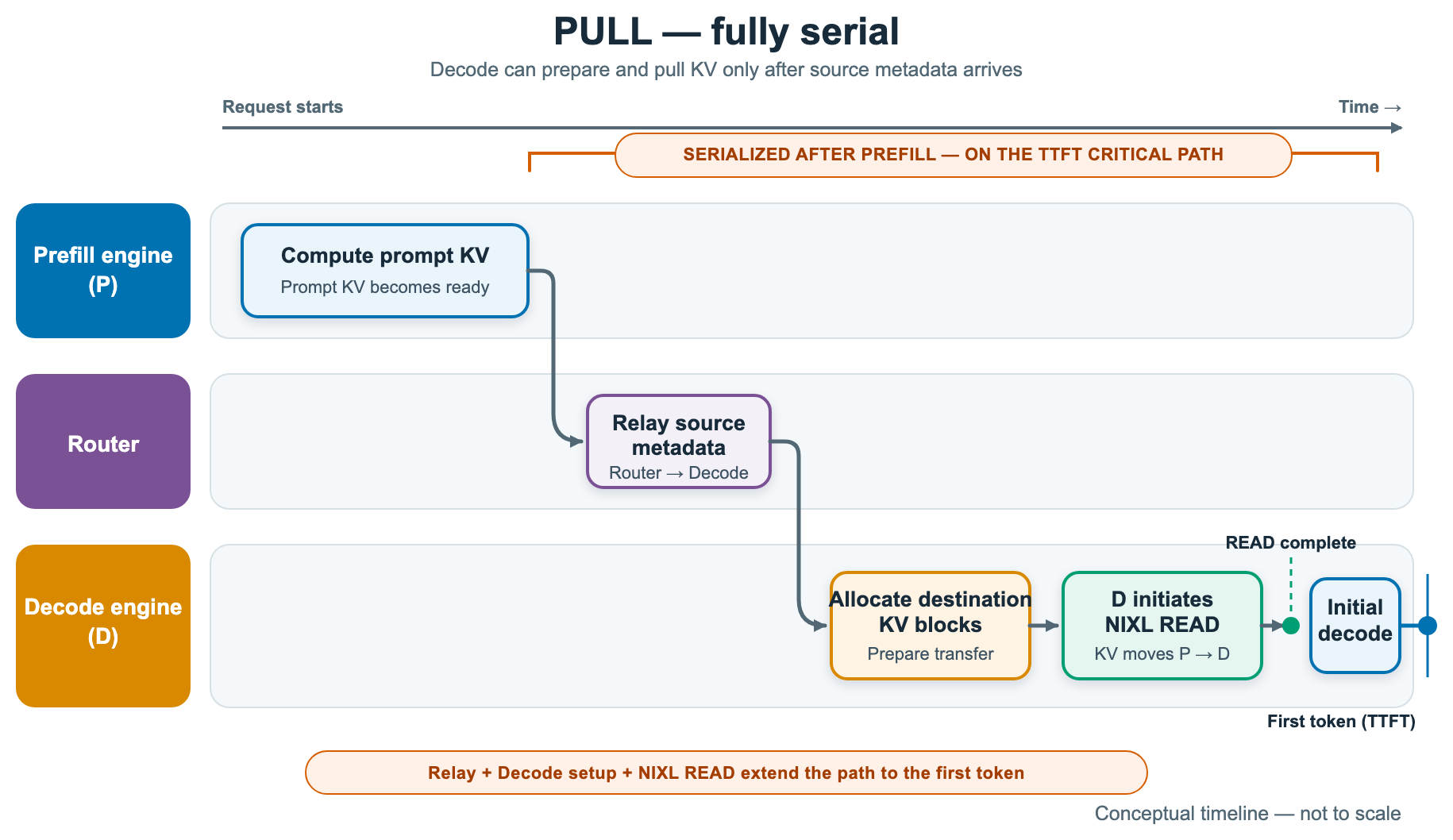
Push-based KV transfer to improve TTFT and TPOT for disaggregated inference in vLLM (opens in a new tab)

vLLM's prefill-decode disaggregation splits LLM inference across engine instances but must transfer the KV cache between them. This post introduces a push-based NIXL connector that moves transfer coordination off the critical path, delivering up to 3x better TTFT and 30% better…

Read at AWS Machine Learning (opens in a new tab)
Image: Meta AI & infrastructure (official)
Meta AI & infrastructure (official)Story image unavailable
Published

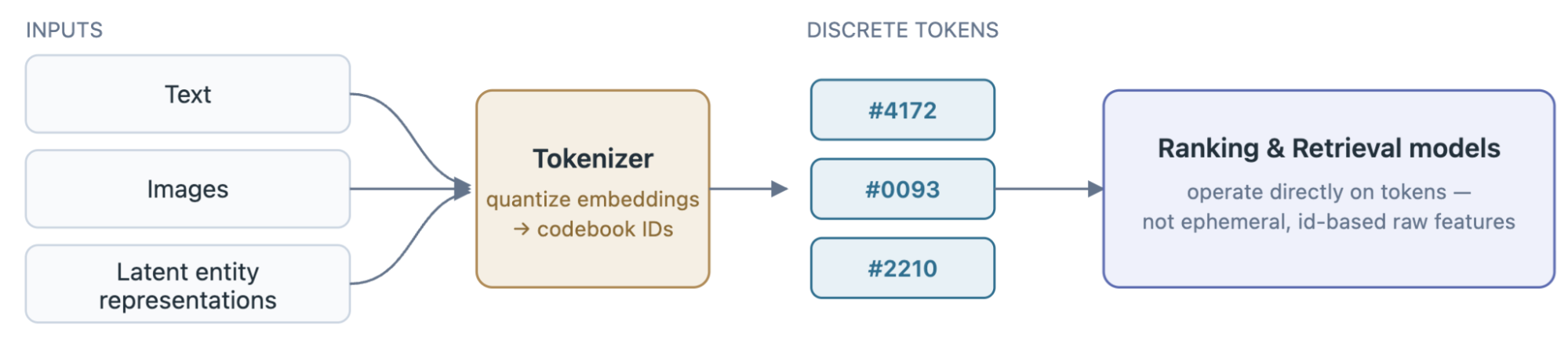
GenRecs Tokenization: Transforming Ads Recommendation at Meta with Stable Model Vocabulary (opens in a new tab)

Generative Recommenders (GenRecs) represent a paradigm shift from scoring every ad to reasoning about ad content and user preferences together in order to predict the best outcome for advertisers. Leveraging the world knowledge built into LLMs makes ad matching more intelligent…

Read at Meta AI & infrastructure (official) (opens in a new tab)
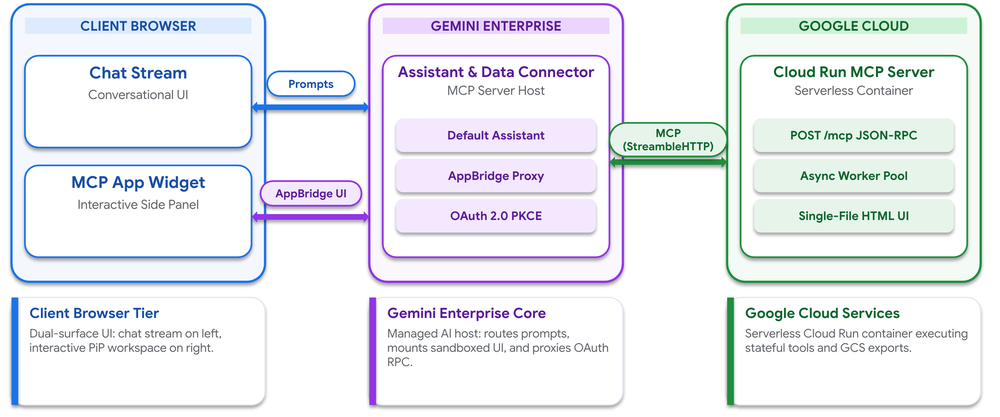
Image: Google Cloud (official)
Google Cloud (official)Story image unavailable
Published

Who judges the judge? Three helpful ways to audit your LLM evaluators (opens in a new tab)

Is your LLM-as-a-judge truly objective? There’s a common misconception in tech that humans are subjective, so we should rely on AI for objective evaluation. But the reality is that LLMs are also subjective. Just like human reviewers, they can carry biases: Verbosity bias: LLM ju…

Read at Google Cloud (official) (opens in a new tab)
Image: Google Cloud (official)
Google Cloud (official)Story image unavailable
Published

Developer’s guide to implementing MCP apps in Gemini (opens in a new tab)

Enterprise assistants still respond mostly in text. However, that can break down for visual, multi-step work, where every adjustment costs another slow chat turn. MCP Apps ( SEP-1865 ) solves this. This open Model Context Protocol (MCP) extension pairs a tool with a live UI. In…

Read at Google Cloud (official) (opens in a new tab)
Image: Google Cloud (official)
Google Cloud (official)Story image unavailable
Published

Building full virtual vehicles on Google Cloud: From AAOS to the smallest MCU (opens in a new tab)

Imagining traditional gearheads getting their hands on software-defined vehicles is an amusing thought experiment. With their socket wrenches and air compressors at the ready, they might be confused to encounter core functions more likely to run on 1s and 0s than oil and belts.…

Read at Google Cloud (official) (opens in a new tab)
Image: Meta AI & infrastructure (official)
Meta AI & infrastructure (official)Story image unavailable
Published

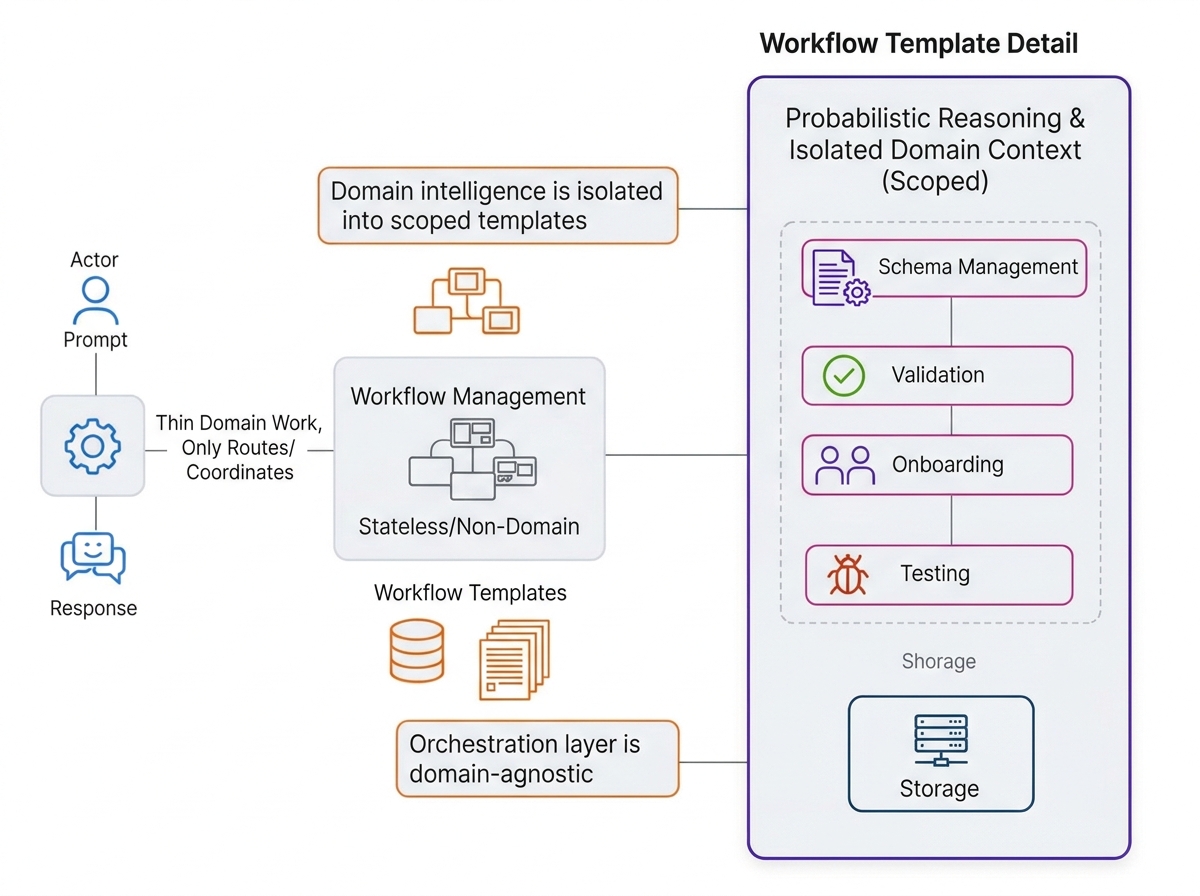
The Thin Orchestrator: How We Made Our AI Agents More Reliable by Giving the Router Less to Do (opens in a new tab)

Sometimes, giving an AI agent all of the knowledge it needs is the wrong approach. At Meta, we’ve seen notable improvements in efficiency and accuracy by keeping the orchestration layer of our data pipeline agents deliberately thin: It routes work and enforces reliability checks…

Read at Meta AI & infrastructure (official) (opens in a new tab)

Sources 29 publishers

Headlines link to the original reporting. Article dates show publication time; the refresh time shows when feeds were last checked.

About our sources & editorial standards
Feeds last refreshed

Some feeds are delayed; saved stories remain available.