
Hugging FaceStory image unavailable
Published
NVIDIA Cosmos3-H-Dreams: Bringing Clinical Surgery to Life Through Generative Simulation (opens in a new tab)
A Blog post by NVIDIA on Hugging Face
Read at Hugging Face (opens in a new tab) ai-today.orgEmail launch list
AI advances in diagnosis, drug discovery, aging biology and longer healthy lives. Explore the original research, from early studies to clinical results.
Feeds refreshed every 15 minutes
In an era where patients and clinicians increasingly turn to artificial intelligence for medical advice, a critical question emerges: Does AI know when not to test or treat? A new joint study from Ben-Gurion University of the Negev (BGU) and Clalit Health Services reveals that l…
Read at Medical Xpress (opens in a new tab)
A Blog post by NVIDIA on Hugging Face
Read at Hugging Face (opens in a new tab)
Artificial intelligence tools are being touted as a solution for so-called pajama time—the time doctors inevitably spend compiling patient notes after working hours. As hospitals increasingly deploy AI scribes to listen and take notes during patient encounters, the data the scri…
Read at Medical Xpress (opens in a new tab)
OpenAI is acquiring Orchestra Bio to bring AI-powered operations to life sciences R&D, helping biopharma teams accelerate drug development and advance new treatments.
Read at openai.com (via Future Tools / Matt Wolfe) (opens in a new tab)
Despite millions of years of evolution, the development of the human fetus remains a complex process that is vulnerable to genetic, environmental and metabolic disruptions. These disruptions could result in developmental abnormalities, starting with one of the first organs to be…
Read at Medical Xpress (opens in a new tab)
Cognitive behavioral therapy (CBT) has proven effective in managing a number of menopause symptoms, including hot flashes, insomnia, depression and sexual dysfunction. However, access remains limited.
Read at Medical Xpress (opens in a new tab)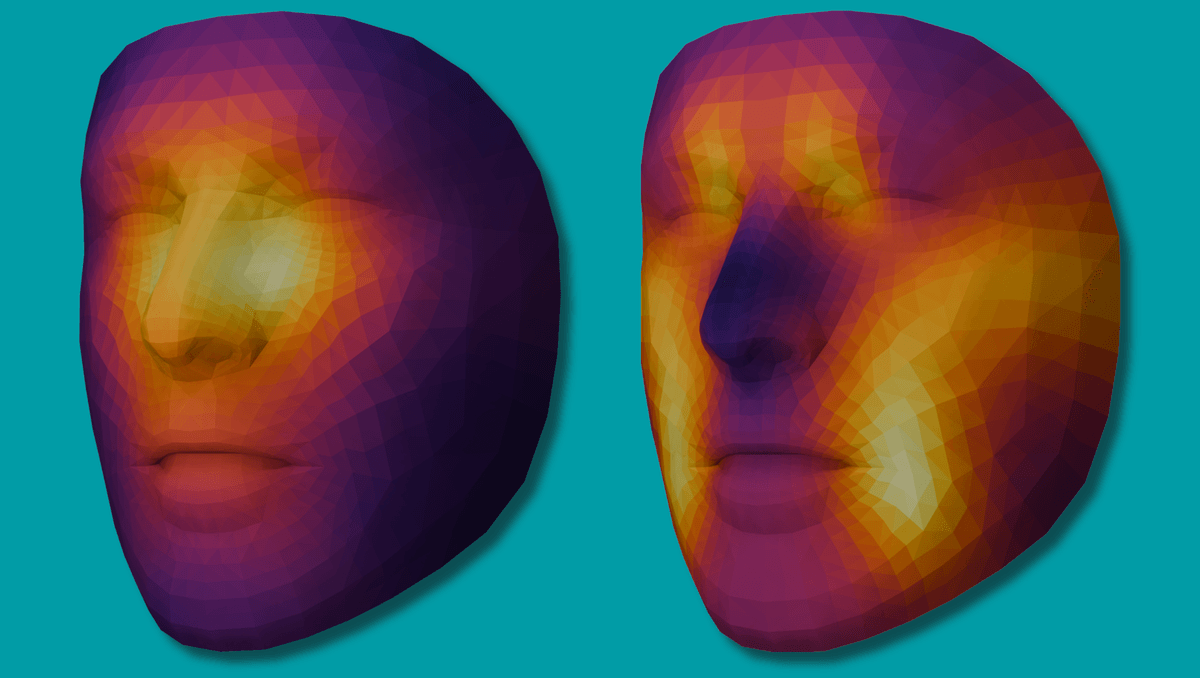
Researchers tasked an algorithm with predicting cancer patients’ risk of dying. For some people, it was shockingly accurate
Read at Scientific American (opens in a new tab)
When analyzed by a new artificial intelligence model developed at Penn Medicine, CT scans reveal much about a patient's health beyond the specific condition they were originally ordered for, according to a new study published in npj Digital Medicine. The AI model, dubbed Perciva…
Read at Medical Xpress (opens in a new tab)
Scientists at Lawrence Berkeley National Laboratory (Berkeley Lab) have developed a machine learning tool that can detect and estimate past radiation exposure using the information in a standard complete blood count, or CBC, one of the most routinely performed clinical blood tes…
Read at Medical Xpress (opens in a new tab)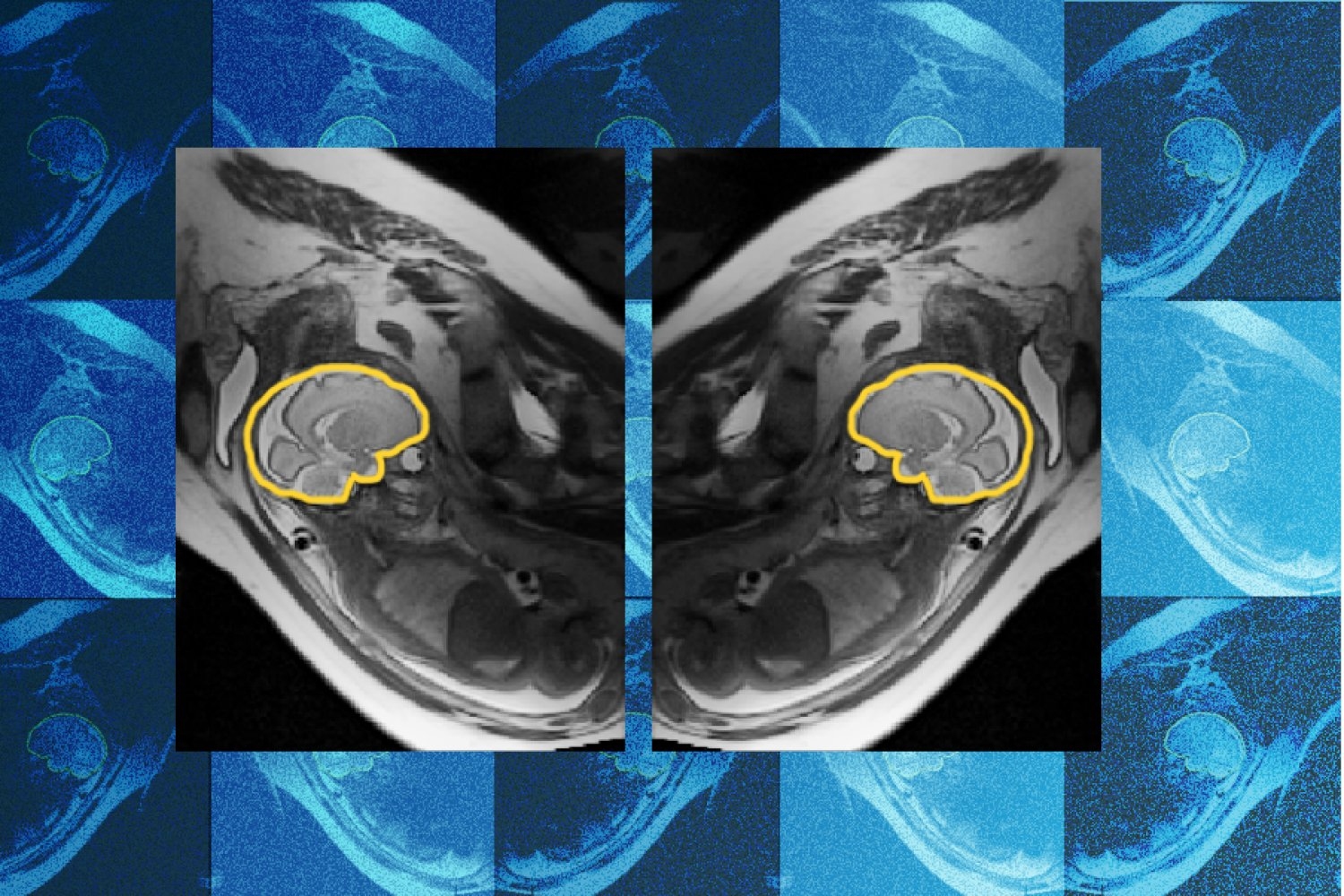
A model developed by researchers at MIT and Boston Children's Hospital adjusts scans on the fly to track fetal movement, potentially sparing families repeat hospital visits.
Read at MIT News (opens in a new tab)Headlines link to the original reporting. Article dates show publication time; the refresh time shows when feeds were last checked.
Some feeds are delayed; saved stories remain available.