AI moves into labs and workplaces. Verification matters.
AI is reaching deeper into research, personal software and workplace communication. Today's developments raise a practical question: how do we check the results before depending on them?
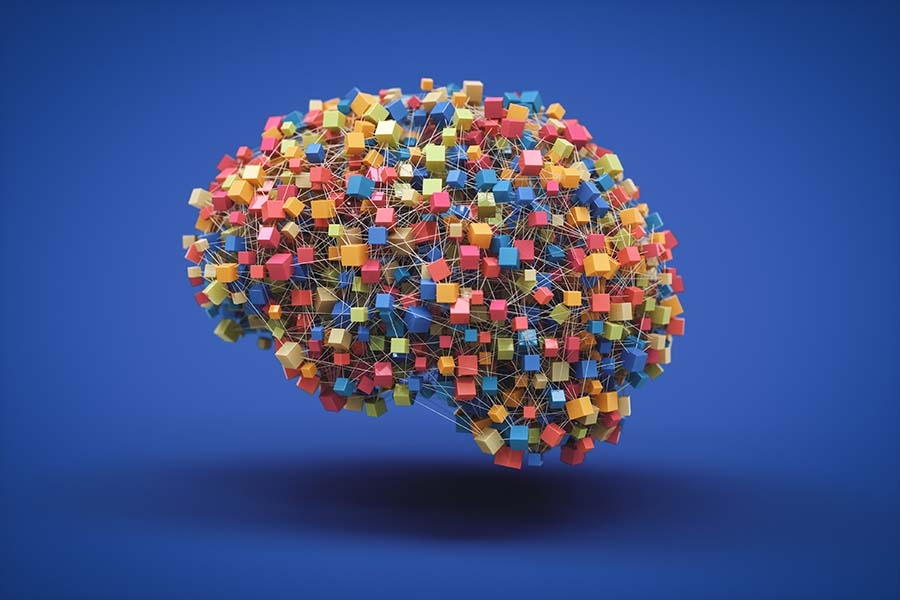
MIT News reports on artificial neural networks that can learn without detailed instructions from a designer. The work may also offer insight into how the brain reorganizes itself during learning.
Our take The research suggests a useful connection between machine learning and neuroscience. Readers should distinguish evidence about artificial networks from explanations of biological learning; the reported connection remains a potential source of insight.
MIT News · Source published
Read the source at MIT News (opens in a new tab)Scientific American reports that Claude identified a CRISPR-like DNA pattern in less than a day. Its biological function remains uncertain, including among Anthropic’s scientists, leaving the discovery open to further investigation.
Our take The practical significance is the generation of a scientific lead. A pattern can guide further investigation, but determining its function is the next meaningful test of whether this finding advances biological understanding.
Scientific American · Source published
Read the source at Scientific American (opens in a new tab)TechCrunch reports that Google Play now supports personal Android apps created with AI without requiring their public release. The change makes it easier to build and use software intended for an individual.
Our take Private distribution could make narrowly tailored software more practical for individual users. Readers should watch how easily creators can inspect and maintain generated apps, since access to distribution alone does not establish software quality.
TechCrunch · Source published
Read the source at TechCrunch (opens in a new tab)TechCrunch reports that Zenzap raised funding for an AI chat app aimed at replacing WhatsApp in workplaces. Its reported organizational users include Starbucks and Taco Bell, providing examples of business adoption.
Our take The reported users make this a concrete workplace adoption story. For buyers, the useful question is whether the app’s AI capabilities address communication needs well enough to justify moving established conversations.
TechCrunch · Source published
Read the source at TechCrunch (opens in a new tab)The Conversation examines potential business liability when AI harms clients or customers. Its account says responsibility for mistakes generally falls on the business using the system rather than the AI toolmaker.
Our take This analysis makes accountability a deployment question. Businesses evaluating AI should examine how customer-facing mistakes are detected and corrected, while recognizing that legal responsibility depends on the circumstances and jurisdiction.
The Conversation · Source published
Read the source at The Conversation (opens in a new tab)